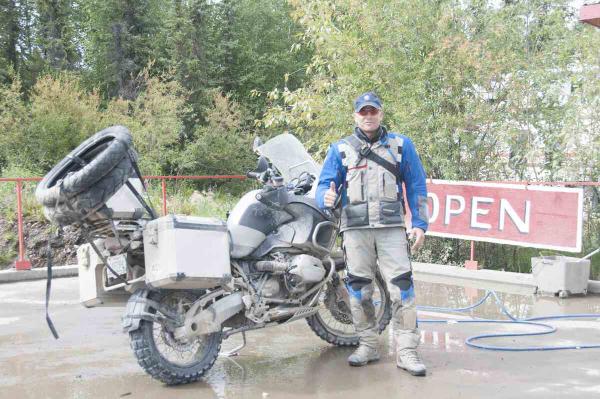
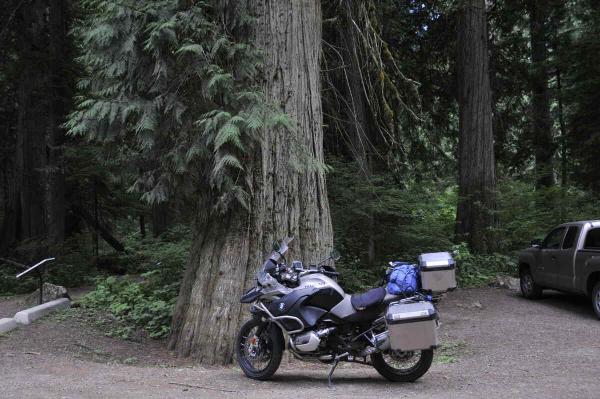
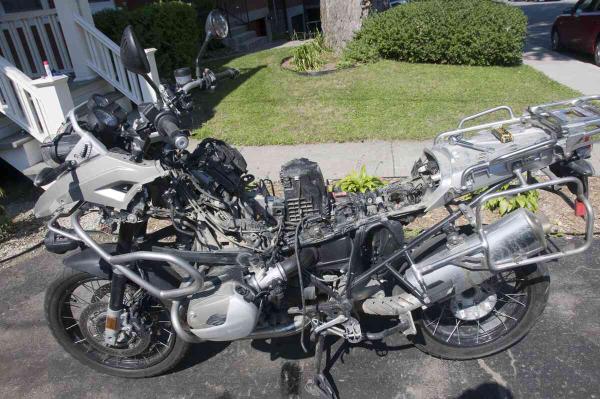
My trip to Western Canada was planned long in advance. The research work began in September 2007, as soon as I ordered my 2008 BMW R1200GS Adventure.
The Internet is an inexhaustible source of information. Sites like Horizons Unlimited, ADVrider, and Moto Aventure Québec helped me greatly in mental preparation, choosing equipment, and mapping out the route for the Arctic.
Reviewing my initial planning, I notice that the main differences lie in the time allocated. Distances of 1,200 km per day are actually very accessible in this part of the world, and the lack of major points of interest in certain sections encourages pushing further to save time.
GPS (Garmin Zumo 550): Indispensable. I have no time to waste looking for my way. It is a performance tool that allows you to find a motel or an address without stress.
Lockable Touratech GPS Mount: Provides peace of mind during quick stops and the necessary sturdiness for trails.
TKC80 Tires: They saved my life on the return from Inuvik. Buying them in Montreal also saved me a fortune compared to Western prices.
Widder Heated Vest: I could no longer travel without it. The dimmer allows for precise thermal adjustment, which is essential in the North.
Electronic Suspension (ESA/ASC): A clear advantage on the new 2008 GS, especially with a heavily loaded machine off-road.
Throttle Lock: It is not cruise control, but it allows the right arm to rest and lets you handle objects (helmet, gloves, food) while riding.
Basic Mechanics: Having practiced changing tires before departure provides enormous peace of mind.
BMW Gloves: Excellent 95% of the time, but insufficient against intense cold and driving rain. A waterproof shell is necessary.
Sleeping Bag: My +7°C bag, while ultra-compact, was too light. A -7°C bag is imperative, despite the extra bulk.
Luggage Strategy: My desire to lock everything on the bike limited my storage volume too much for full camping gear.
Lighting: Stock headlights are insufficient for safe night driving in high-wildlife-density areas.
Seat: The original saddle is not designed for 18-hour days. Even with an Airhawk 2, the pain becomes sharp. A Sargent seat is planned for the next trip.
Helmet (Nolan N102): My biggest disappointment. Although modular and Bluetooth compatible, it is too heavy, noisy, fragile, and not very waterproof. For a more demanding trip (like South America), I would choose a more rigid and reliable model.
I want to highlight the incredible hospitality of the people in the West. Despite the difficulties, hindsight already makes me forget the fatigue, and I am already dreaming of going back.
Western Canada is majestic, but its distances command respect. A survival kit (tent, food for 3 days, water filter) is mandatory, as you can only count on yourself if something goes wrong in isolated regions.
I hope this travel log will be useful for your own projects. Don’t forget: adventure above all!
The grand departure from Montreal marked by the first equipment failure, fickle weather, and the first logistical adjustments heading toward Sault Ste. Marie.
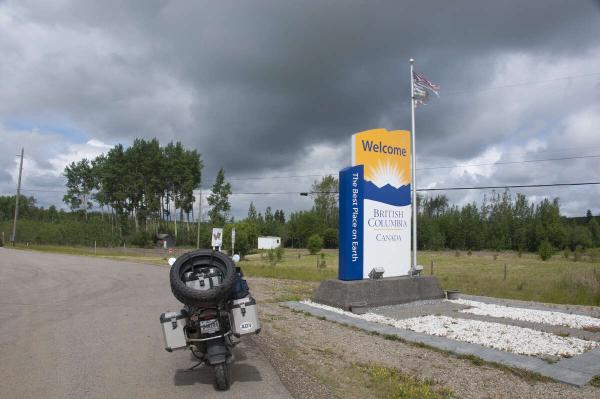
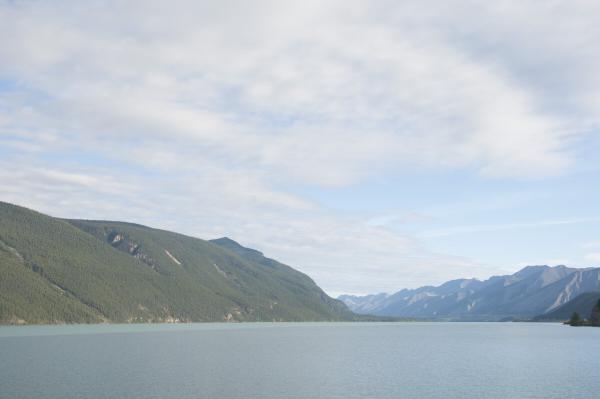
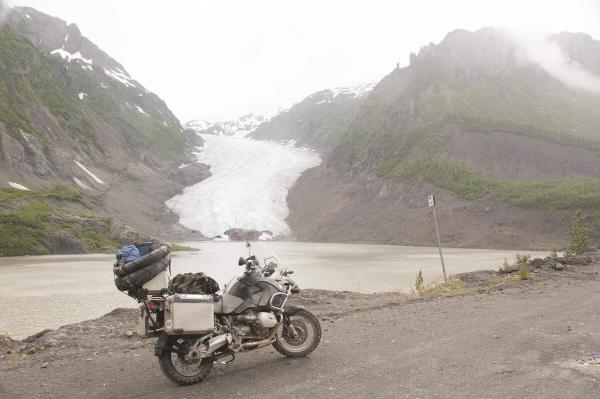
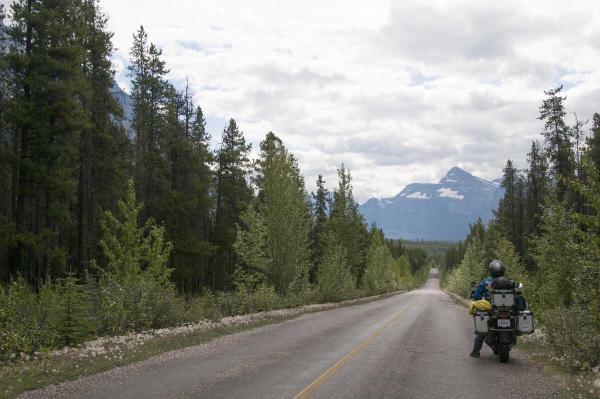
Entering British Columbia marks the beginning of the Rockies and my first encounter with a wild bear, despite persistent cold and voracious mosquitoes.
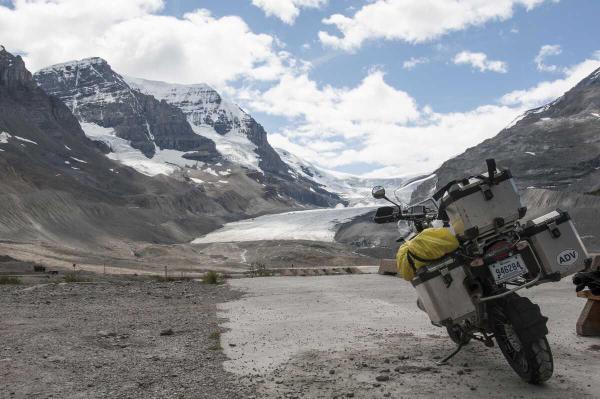
A spectacular day through the Rockies into the Yukon, featuring wildlife encounters, motorcycle maintenance in Whitehorse, and a memorable lesson about cayenne pepper.
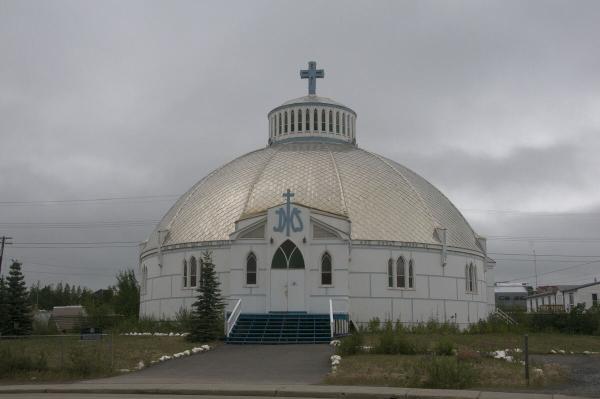
A day of rest and cultural discovery in Inuvik, including historic meetings at the library, a visit to the RCMP, and reaching the northernmost point of the road.
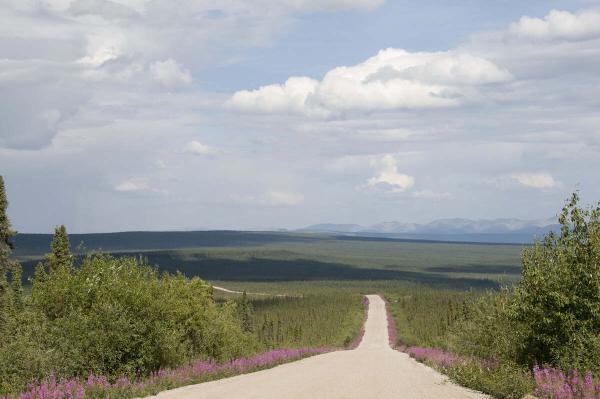
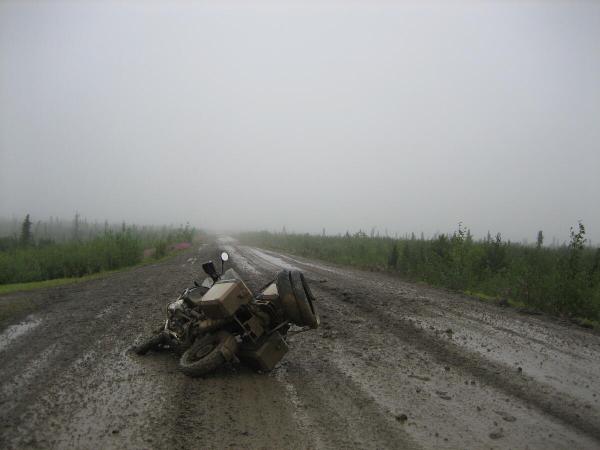
The most perilous day of the trip: an exhausting struggle against the freezing mud of the Dempster Highway, marked by several falls and a determination put to the ultimate test.
The relief of leaving the muddy hell of the Dempster Highway to find asphalt again, followed by an unplanned trek south after finding Dawson City packed.
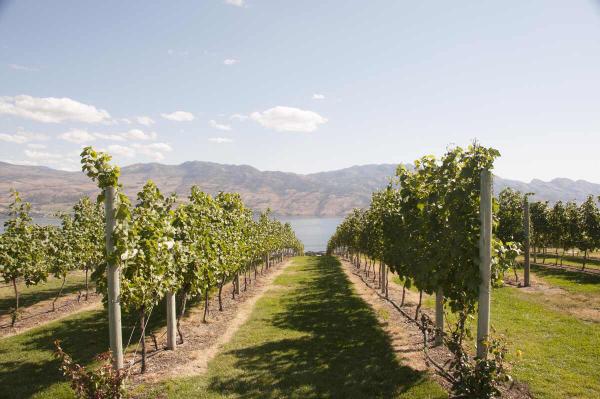
A thermal and urban shock in Kelowna triggers a deep questioning of the journey’s continuation, caught between sweltering heat and nostalgia for the vast northern spaces.
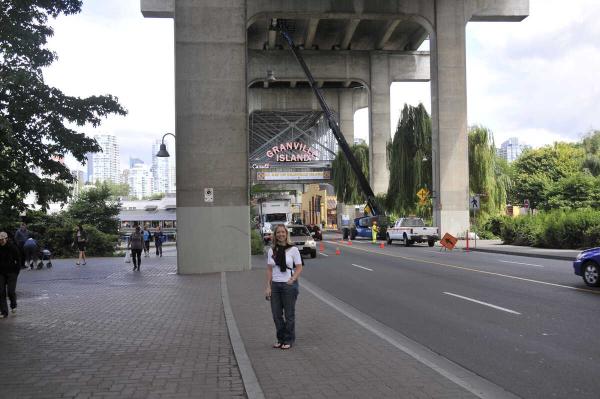
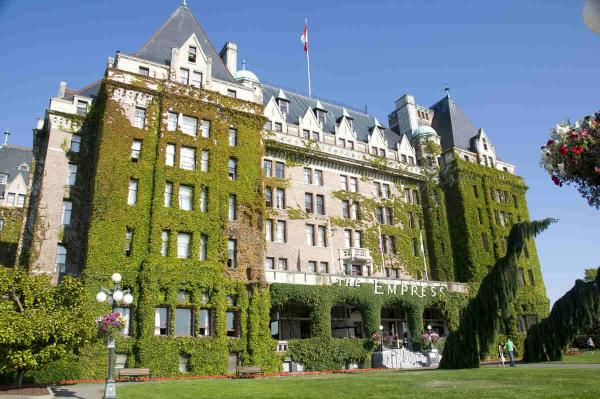
A radical transition from mountain highways to urban luxury in Vancouver, moving from wilderness camping to the five-star comfort of the Fairmont Hotel.
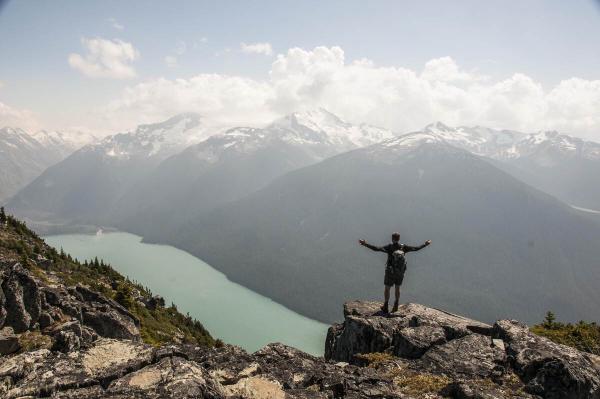
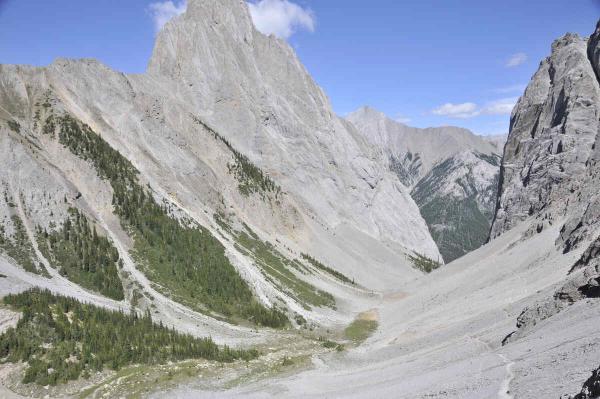
A memorable hike on Silverdaisy Mountain marked by a chance meeting with Sev Heiberg, a Canadian mountaineering legend, maintaining trails at 82 years old.
Nadine’s arrival in Vancouver marks a transition to a two-person journey, featuring luxurious surprises at the Fairmont and logistical management of BMW maintenance costs.
The ultimate 1,800 km marathon to close the loop in Montreal, featuring overzealous customs, roadwork, and the emotion of cutting the ignition one last time.
Bilan complet de l’aventure : analyse de l’équipement, points forts de la préparation et leçons apprises après 19 000 km sur les routes de l’Arctique et de l’Ouest canadien.